Skip to content
Standby Generator Guide

U.S. Power Outage Statistics: What EIA’s 2024 Data Shows

A restrained summary of EIA’s 2024 U.S. outage data, SAIDI and SAIFI definitions, and why national averages do not predict a household’s outages or generator payback.

The essential briefing

Key takeaways

  • EIA reported an average of 11 hours of electricity interruptions per U.S. customer in 2024; major events accounted for 80% of the hours without electricity that year.
  • EIA’s annual reliability measures describe average interruption duration and frequency; they are not forecasts for an individual home.
  • Use local utility information and household needs—not a state ranking or national average—to plan for backup power.

Evidence & review transparency

What informs this guide

View all sources

Research draws on the linked documents below. Source checks do not establish independent testing, licensed professional review, or suitability for your home.

GovernmentEIA: Hurricanes in 2024 led to the most hours without power in the U.S. in 10 years (Dec. 1, 2025)GovernmentEIA Electric Power Annual: SAIDI values by state, 2014–2024 (Table 11.4)
Technical professional review pending.How this guide is reviewed

Prepared by our editorial research desk using linked sources. No licensed professional signoff or hands-on testing is claimed. See the review process and what remains to be reviewed.

Sources, editorial method & limitations
  • Manufacturer statements are distinguished from independent facts and our editorial interpretation.
  • Linked sources are listed below; product details, laws, and utility requirements can change.
  • Source links on this page were checked Oct 4, 2026.
  • Estimates, when included, are labeled and are not quotes or guarantees.
  • We do not claim hands-on product testing, licensed review, or installation experience.
  • We do not accept generator-brand, dealer, or installer advertising or referral payments.
Editorial and corrections policy →
Explore sections
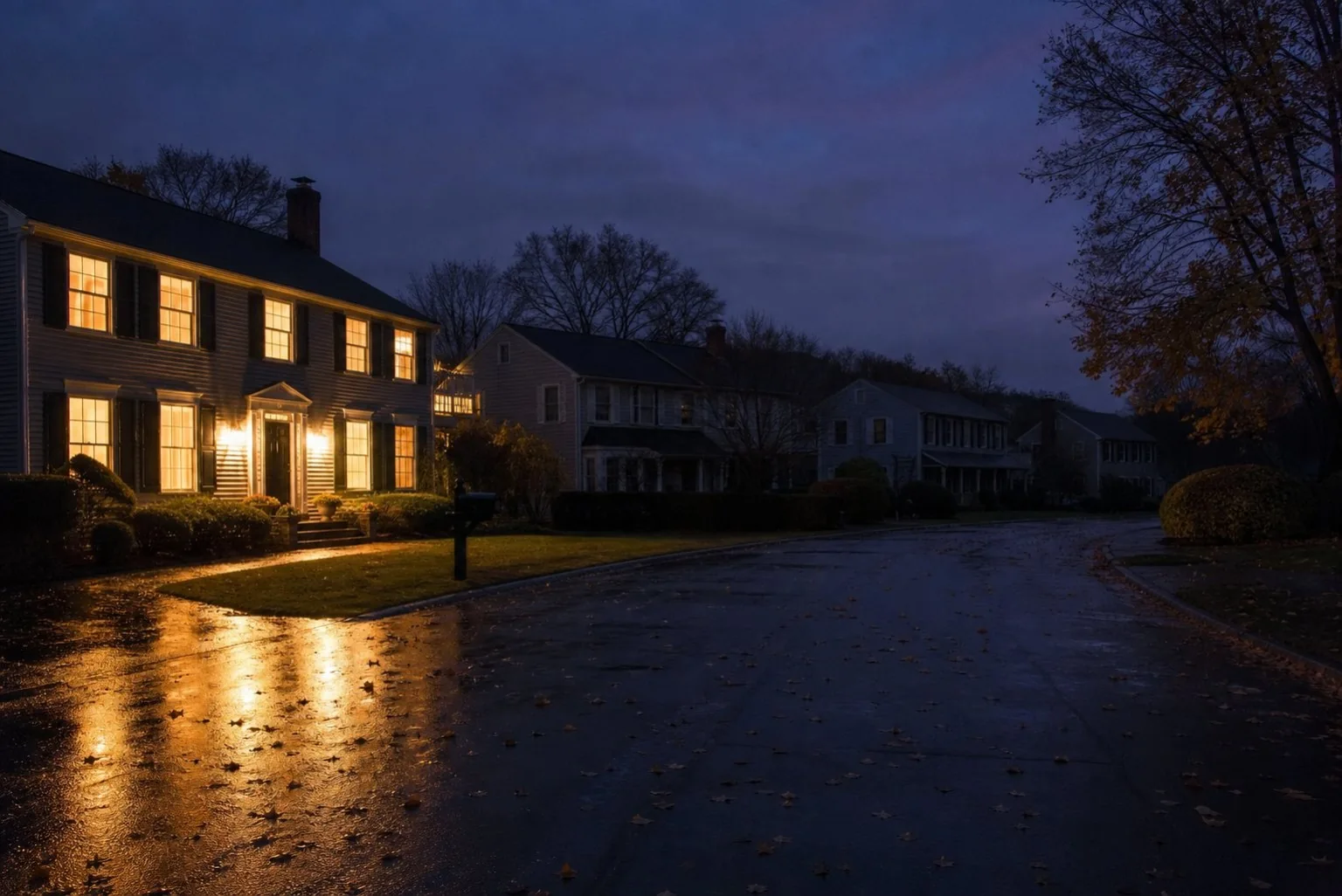
Illuminated home among dark neighboring houses on a rainy evening
Illustrative neighborhood outage scene. This image does not document a specific outage or the EIA data discussed below.

EIA’s 2024 national snapshot

The U.S. Energy Information Administration reported that U.S. electricity customers experienced an average of 11 hours of interruptions in 2024, nearly twice the annual average of the prior decade. EIA attributed 80% of the 2024 hours without electricity to major events, including Hurricanes Beryl, Helene, and Milton. Interruptions attributed to major events averaged nearly nine hours in 2024, compared with nearly four hours per year on average from 2014 through 2023.

These are EIA’s reported U.S. averages for one year that included major weather events. They do not show that every customer lost power for 11 hours, nor do they establish a trend for every utility or address.

What SAIDI and SAIFI mean

  • SAIDI (System Average Interruption Duration Index) measures the total duration of non-momentary interruptions experienced by an average customer over a year.
  • SAIFI (System Average Interruption Frequency Index) measures the number of interruptions in a year.

These indices summarize utility-reported reliability information. Definitions, data coverage, and whether major events are included matter when comparing years or jurisdictions. Read EIA’s notes alongside the table rather than treating a single figure as a household prediction.

What national or state averages cannot tell you

An annual average cannot predict your next outage’s timing, duration, cause, or restoration sequence. It does not tell you whether a particular home needs a generator, what loads should be backed up, what a project will cost, or whether an installation would pay for itself. A state-level statistic can mask substantial variation among utilities and service areas.

We do not publish generator-ownership percentages, future payback claims, unsupported cause-of-outage shares, or a permanent “best/worst state” ranking. The EIA data cited here do not establish those claims.

Use local data and household needs for planning

  • Ask your electric utility for outage history or reliability information for your service area where available.
  • Consider household-specific needs such as a private well, sump pump, communications, heating/cooling, or equipment that requires a continuity plan.
  • Decide which circuits need backup and which loads can be delayed or excluded.
  • Discuss the site, electrical service, fuel supply, safe transfer equipment, and installation permits with a qualified local professional.

Use the load-based sizing guide and cautious value framework as planning context, not automated recommendations.

Planning estimates disclaimer

These are planning estimates. Always check appliance nameplate for exact values. Hire a licensed electrician for final sizing.

Trace the evidence

Sources & further reading

Evidence record

3 linked sources · Source-check date:

Source checks establish what a document states. They do not establish independent performance or site suitability.

  1. 01
  2. 02
  3. 03

Manufacturer specifications and regulatory requirements may change. Check the current official documents and consult qualified local professionals before committing to a system.